


 English
 中文简体
中文简体

Industry News
Why Do Steel Structures Need Anti Corrosion Coating
2026-08-21
Content
- 1 Anti Corrosion Coating for Steel Structures: A Manufacturer's Technical Reference
- 1.1 What Happens to Unprotected Steel
- 1.2 Watch the Process: Coating Application and Salt-Spray Testing
- 1.3 The Three Mechanisms Behind Corrosion Protection Coating
- 1.4 Salt-Spray Resistance by Coating System
- 1.5 Coating System Comparison
- 1.6 How Long Does Anti-Corrosion Paint Last
- 1.7 What Is the Best Anti-Rust Coating
- 1.8 Does Anti-Corrosion Spray Work
- 1.9 Inside the Coating Line: How the Process Is Controlled
- 1.10 Common Coating Failure Modes and What Causes Them
- 1.11 Standards Referenced in Coating Specification
- 1.12 VOC Content and Environmental Considerations
- 1.13 Common Questions on Structural Steel Coating
- 1.14 Handling and Delivery of Coated Steel
Steel Structure Protection · Technical Reference
Anti Corrosion Coating for Steel Structures: A Manufacturer's Technical Reference
Steel does not fail because it is weak. It fails because it is left unprotected. Every ton of structural steel that leaves a fabrication yard carries an invisible clock, and the only thing that slows that clock down is the anti corrosion coating applied before the steel ever reaches a job site. This reference walks through how corrosion protection coating actually works, how long it lasts, which systems perform best in which environment, and what happens inside a coating facility before a single steel plate is painted.
Direct Answer
A corrosion protection coating is a multi-layer film applied to metal that physically blocks oxygen, moisture and salts from reaching the steel surface, while certain layers also provide sacrificial electrochemical protection.
Direct Answer
A correctly specified anti corrosion coating system on structural steel typically holds for 8 to 20+ years before major maintenance is required, depending on layer thickness, exposure class and substrate preparation.
Direct Answer
There is no single best anti-rust coating for every project. The correct system is selected against the exposure category of the structure, not against a generic ranking.
What Happens to Unprotected Steel
Bare structural steel begins to oxidize as soon as it contacts moisture and oxygen at the same time. The reaction is electrochemical: microscopic anode and cathode sites form across the surface, current flows through the moisture film, and iron atoms are pulled out of the lattice to form iron oxide. Once this reaction starts, it is self-sustaining. The rust layer that forms is porous, so it holds moisture against the base metal instead of shielding it, and the corrosion rate accelerates rather than slows down over time.
The rate of attack is not the same everywhere. Marine air carries chloride ions that break down passive oxide films almost on contact, which is why coastal fabrication projects specify heavier corrosion protection coating systems than inland projects. Industrial atmospheres near processing plants carry sulfur dioxide and nitrogen oxides that combine with condensation to form mild acids on the steel surface. Even a plain temperature swing overnight is enough to create dew on a steel beam, and that thin film of condensate is all an electrochemical cell needs to get started.
The structures affected span nearly every type of steel construction in use today. Transmission towers and lattice masts sit exposed to weather on all four sides with no roofline to shed water quickly. Bridge girders face constant splash and de-icing salt exposure at the deck level while the upper flange dries in open air, creating two very different corrosion rates on the same member. Storage tanks and process vessels combine atmospheric exposure on the outside with immersion or chemical vapor exposure on the inside, which is why tank coating specifications frequently call for two entirely different systems on the same structure. Warehouse and general building frames see the mildest exposure of the group, but even indoor steel near loading dock doors or in coastal warehouses picks up enough humidity cycling to justify a full coating system rather than a light shop primer alone.
Field Note
A steel structure loses roughly 25 to 100 microns of section thickness per side over ten years in an uncoated, moderately polluted atmosphere. In a marine splash zone, that figure can be several times higher. Coating is not cosmetic — it is the only variable standing between the design thickness on the drawing and the actual thickness in the field ten years later.
Watch the Process: Coating Application and Salt-Spray Testing
Specification sheets describe a coating system in numbers, but the two short clips below show what those numbers look like in practice — from spray application on a steel section through to accelerated salt-spray testing inside a corrosion chamber.
Spray Application on Structural Steel Airless spray application of a zinc-rich primer across a fabricated steel section prior to intermediate and topcoat layers.
Salt-Spray Chamber Testing Coated panels undergoing continuous salt-fog exposure to measure blistering, creep from scribe and adhesion loss over time.
The Three Mechanisms Behind Corrosion Protection Coating
Coating chemists do not rely on one defense mechanism — they stack three, and each layer in a coating system is responsible for a different one.
Barrier Protection
The physical film itself keeps water, oxygen and chloride ions away from the steel surface. Thicker, denser films with low water permeability extend the time before any moisture reaches the substrate.
Cathodic (Sacrificial) Protection
Zinc-rich primers contain metallic zinc particles that corrode preferentially to steel. As long as zinc particles remain in electrical contact with the substrate, the steel itself is protected even where the film is scratched.
Inhibitive Protection
Certain pigments release corrosion-inhibiting compounds at the coating-metal interface, slowing the electrochemical reaction even at pinholes and minor film defects.
A complete system layers these mechanisms deliberately. The primer is chosen for adhesion and, where zinc-rich, for sacrificial protection. The intermediate coat builds dry film thickness and adds a barrier layer that is chemically incompatible with the topcoat's solvents, which prevents lifting. The topcoat is chosen for UV resistance, color retention and resistance to the specific chemical exposure the structure will face. Removing any one layer does not just reduce protection by a third — it removes an entire mechanism from the system.
Salt-Spray Resistance by Coating System
Salt-spray testing under ASTM B117 / ISO 9227 gives a standardized, comparable figure for how long a coating resists corrosion creep from a scribed line under continuous salt-fog exposure. The chart below shows typical hours to first substrate corrosion for common structural steel coating systems.
Values represent typical mid-range results for correctly applied systems at specification thickness. Actual performance varies with surface preparation grade, humidity control during cure, and film thickness achieved on site.
Coating System Comparison
| System | Dry Film Thickness | Application Method | Recommended Exposure | Typical Recoat Interval |
| Epoxy Zinc-Rich Primer | 60–80 microns | Airless spray, roller | Moderate atmospheric, indoor structural steel | 8–10 years |
| Polyurethane Topcoat | 40–60 microns | Airless spray | Outdoor exposure, UV-heavy climates | 6–8 years |
| Hot-Dip Galvanizing | 45–85 microns | Batch immersion | Severe atmospheric, long-term structural steel | 20–30 years |
| Fluorocarbon System | 25–35 microns | Airless spray | Architectural facades, coastal visibility | 15–20 years |
How Long Does Anti-Corrosion Paint Last
Service life is not a fixed number printed on a data sheet — it is the result of four variables acting together, and any one of them can shorten the other three.
Film Thickness
Every additional 20 microns of dry film thickness adds roughly 2 to 3 years of service life, up to the point where excess thickness introduces cracking risk. Thickness is measured, not estimated, using a calibrated gauge across the finished surface.
Surface Preparation
Coating applied over a surface that is not blasted to the correct cleanliness grade will fail early through underfilm corrosion, regardless of how good the paint itself is. Preparation quality is the single most common cause of premature coating failure.
Exposure Category
The same coating system can last three times longer in a dry inland environment than it does in a marine splash zone or a chemical processing atmosphere. Exposure category should be defined before a coating system is chosen, not after.
Maintenance Cycle
Touch-up repair at the first sign of film breakdown resets the clock on that local area. Structures on a scheduled inspection cycle consistently outlast structures that are only inspected after visible rust appears.
Illustrative relationship between total dry film thickness and expected service life before first major maintenance, based on mid-range atmospheric exposure. Marine and industrial exposure shift this curve downward.
What Is the Best Anti-Rust Coating
The honest answer is that "best" is meaningless without an exposure category attached to it. A fluorocarbon system that performs beautifully on a coastal building facade would be an unnecessary cost on an indoor warehouse frame, and a budget alkyd primer that is fine on an indoor frame would fail within a few seasons on an offshore platform. Matching the system to the environment is the entire discipline.
Severe / Marine
Hot-dip galvanizing as a base layer, combined with a zinc-rich epoxy primer and a polyurethane or fluorocarbon topcoat, is the standard specification for splash-zone and coastal structural steel.
Industrial / Chemical
High-build epoxy intermediate coats with chemical-resistant topcoats are specified where sulfur compounds, acids or process chemicals are present in the surrounding atmosphere.
General Atmospheric
A two-coat epoxy zinc-rich primer plus polyurethane topcoat system covers the majority of structural steel used in general construction, warehousing and infrastructure.
Architectural / Visible
Fluorocarbon topcoats are specified where color retention and gloss over 15 to 20 years matter as much as corrosion resistance, such as on exposed facade steel.
Does Anti-Corrosion Spray Work
Aerosol and hand-held anti-corrosion spray products work, within the scope they are designed for. They are effective for touch-up repair on scratched or damaged coating areas, protection of bolted connections and hardware after installation, and rapid field application where large equipment cannot reach. What they are not designed for is replacing a full multi-coat system across a primary structural member — the achievable film thickness and control over that thickness are both lower than what airless spray or dip-coating processes deliver.
Used correctly as a maintenance tool between full recoat cycles, spray-applied touch-up extends the life of the surrounding coating system by closing off the point where moisture would otherwise begin migrating under the film. Used as a substitute for proper surface preparation and multi-coat application, it will underperform regardless of the product's inherent chemistry.
Inside the Coating Line: How the Process Is Controlled
Consistent corrosion protection coating performance is not decided by the paint alone — it is decided by process control on the shop floor, long before a coated beam is loaded onto a truck.
01 Abrasive Blast Cleaning
Steel is blasted to a defined surface cleanliness and profile depth before any primer is applied, removing mill scale, oxide and contamination that would otherwise sit under the film.
02 Surface Profile Verification
Anchor profile depth is checked with a surface comparator before coating begins, since profile that is too shallow reduces mechanical adhesion and profile that is too deep increases required film thickness.
03 Controlled Application
Primer, intermediate and topcoat layers are applied by airless spray under monitored temperature and humidity, with wet film thickness checked in real time between passes.
04 Cure Scheduling
Recoat windows are tracked precisely, since applying a coat too early traps solvent and applying it too late risks interlayer adhesion loss from surface chalking or contamination.
05 Dry Film Thickness Inspection
Every coated section is measured with a calibrated magnetic or eddy-current gauge at multiple points, and readings are logged against the specified thickness range before release.
06 Adhesion and Salt-Spray Sampling
Representative test panels from the same batch undergo cross-cut adhesion testing and accelerated salt-spray exposure to confirm the system meets the specified performance class.
Quality Control
A coating line that only checks the final appearance of a finished beam is checking the wrong thing. Film thickness, cure time, humidity during application and surface cleanliness before blasting all have to be logged, because any one of them being out of range will not show up as a visible defect until years later in the field.
Production planning matters as much as the chemistry. Steel sections are grouped by coating specification before blasting begins, so that a batch does not sit partially prepared while waiting for a different primer to become available. Coated sections are racked with spacing that allows full air circulation during cure, since sections stacked too tightly cure unevenly and can stick together before the film has fully hardened. Packaging for shipment uses corner protection and separation material specifically because a coated flange rubbing against another coated flange during transport is a common and entirely avoidable cause of field touch-up work.
Common Coating Failure Modes and What Causes Them
Most coating failures on structural steel trace back to a small, repeatable set of causes. Recognizing the pattern of a failure is usually enough to identify which step in the process broke down, long before the structure needs to be stripped and recoated.
Blistering
Small domes form under the film where soluble salts or contamination were left on the steel before coating. Moisture is pulled through the film by osmosis, and the blister grows until it ruptures and exposes bare metal underneath.
Underfilm Corrosion
Rust spreads beneath an intact-looking film, usually starting from a cut edge, weld seam or mechanical damage point that was not properly primed before the topcoat was applied over it.
Chalking and Fading
UV exposure breaks down resin at the surface of the topcoat, leaving a powdery residue and a duller finish. This is primarily a cosmetic issue in most topcoats, but in low-grade coatings it can expose the layer beneath faster than expected.
Holiday and Pinhole Defects
Tiny gaps in film coverage, often at edges, bolt heads or weld toes, give moisture a direct path to bare steel. Holiday testing with a low-voltage detector during production catches these before a section leaves the coating line.
Standards Referenced in Coating Specification
Coating systems for structural steel are specified against recognized international standards rather than a supplier's own internal claims. These standards define surface preparation grades, film thickness measurement methods and accelerated testing protocols, which is what allows a coating result from one facility to be compared meaningfully against another.
| Standard | Scope | What It Defines |
| ISO 12944 | Corrosion protection of steel structures by paint systems | Exposure categories (C1–CX) and durability ranges for coating systems |
| ISO 8501-1 / SSPC-SP | Surface preparation grades | Visual cleanliness standards for blast-cleaned steel prior to coating |
| ASTM B117 / ISO 9227 | Salt-spray (fog) testing | Standardized accelerated exposure method for comparing corrosion resistance |
| ISO 2409 | Cross-cut adhesion test | Film adhesion rating scale used during quality release testing |
Exposure category under ISO 12944 is a particularly useful reference point when comparing anti corrosion coating systems, since it separates atmospheric conditions into defined bands — from dry indoor environments through to high-salinity offshore conditions — and assigns expected durability ranges to coating systems tested against each band. Specifying by exposure category, rather than by product name alone, keeps the selection process tied to the actual conditions the steel will face.
VOC Content and Environmental Considerations
Volatile organic compound content in a coating formulation affects both application conditions and long-term regulatory compliance for a project. High-solids and waterborne coating technologies have reduced VOC output significantly compared to older solvent-heavy formulations, without giving up the film build or adhesion needed for structural steel protection.
Waterborne epoxy primers are increasingly specified for indoor and enclosed-space applications where solvent vapor buildup is a concern during application. High-solids polyurethane topcoats achieve target film thickness in fewer passes than conventional solvent-based versions, which reduces total solvent release per coated square meter without changing the mechanical performance of the finished film. Project specifications increasingly list a maximum VOC content in grams per liter alongside the traditional performance requirements, and coating selection now has to satisfy both at once rather than treating them as separate concerns.
Common Questions on Structural Steel Coating
Can anti corrosion coating be applied over existing rust?
Light surface rust can be removed by blasting or power tool cleaning before recoating. Heavy, pitted corrosion needs to be assessed for remaining section thickness before any coating is applied over it.
Does a thicker coating always mean longer protection?
Only up to the specified range for that system. Excess thickness increases the risk of solvent entrapment and mud-cracking, which can shorten service life instead of extending it.
How is coating performance verified before shipment?
Dry film thickness gauging, cross-cut adhesion testing and batch-sample salt-spray exposure are the three checks used to confirm a coated section meets specification before it leaves the facility.
Is galvanizing a substitute for painting, or does it need both?
Galvanizing alone protects well in general atmospheric exposure. A duplex system, galvanizing plus a compatible top coat, is specified where the added service life and color options justify the extra process step.
What causes early coating failure on structural steel?
The two most common causes are inadequate surface preparation before the first coat and insufficient dry film thickness achieved during application, both of which are preventable with in-process inspection.
Can coating color be matched to a project specification?
Topcoat color is typically matched to a specified reference standard during formulation, with a drawdown sample confirmed against that standard before full production begins.
Handling and Delivery of Coated Steel
A coating system that passed every test on the line can still be damaged before it ever reaches site if handling and packaging are treated as an afterthought. Coated sections need the same level of care after the paint has cured as they received during application, since the first few weeks after coating are when a film is most vulnerable to mechanical damage.
Curing Before Movement
Coated sections are held for a minimum cure period appropriate to the topcoat chemistry before they are moved, stacked or loaded, since a film that has not fully hardened can be marked or dented by contact that would not affect a fully cured surface.
Contact Protection
Corner guards, edge protectors and non-abrasive separation material are used between stacked sections so that coated surfaces do not rub against each other or against chains and slings during loading.
Site Touch-Up Kits
Matched touch-up material is supplied alongside the main shipment so that any transport or erection damage can be repaired on site with the same system rather than an unrelated product that will not bond or weather in the same way.
Documentation travels with the shipment as well. Batch records covering surface preparation grade, dry film thickness readings and salt-spray sample results give the receiving site a reference point for every coated section, so that any damage found during unloading can be repaired to match the original specification rather than guessed at. This traceability matters most on projects where different exposure zones of the same structure were coated with different systems, since a mismatched touch-up in the wrong zone can undo the reasoning behind the original specification.
From Our Coating Line
Structural Steel Coated to Specification, Batch-Tested Before It Ships
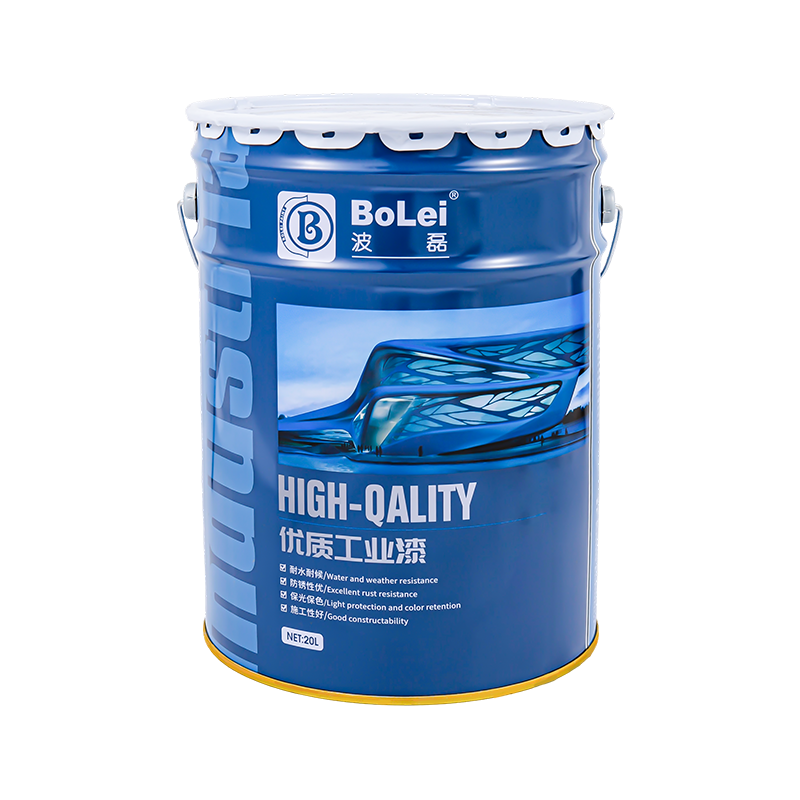
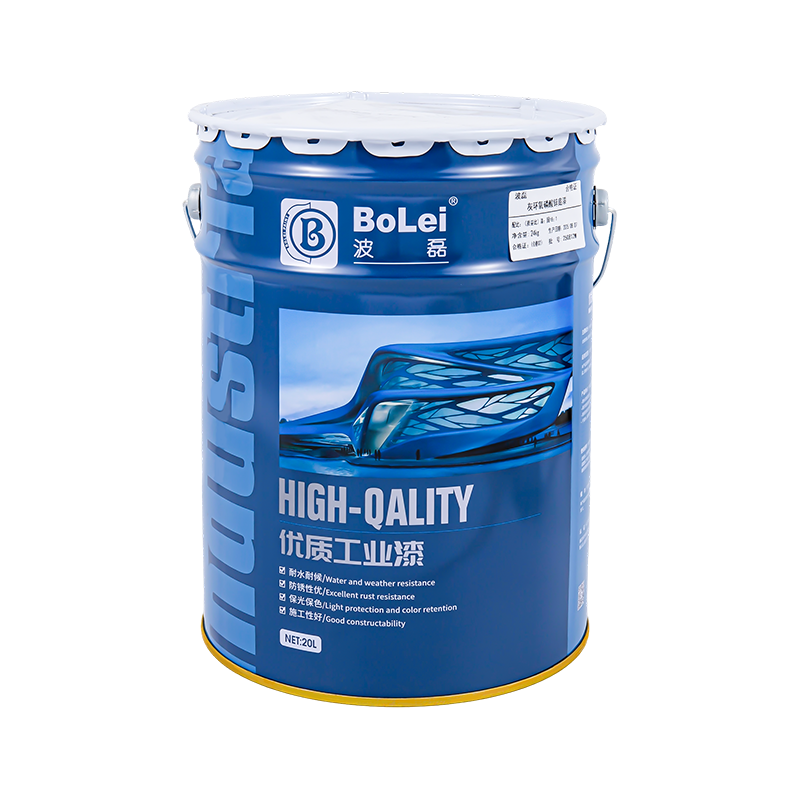
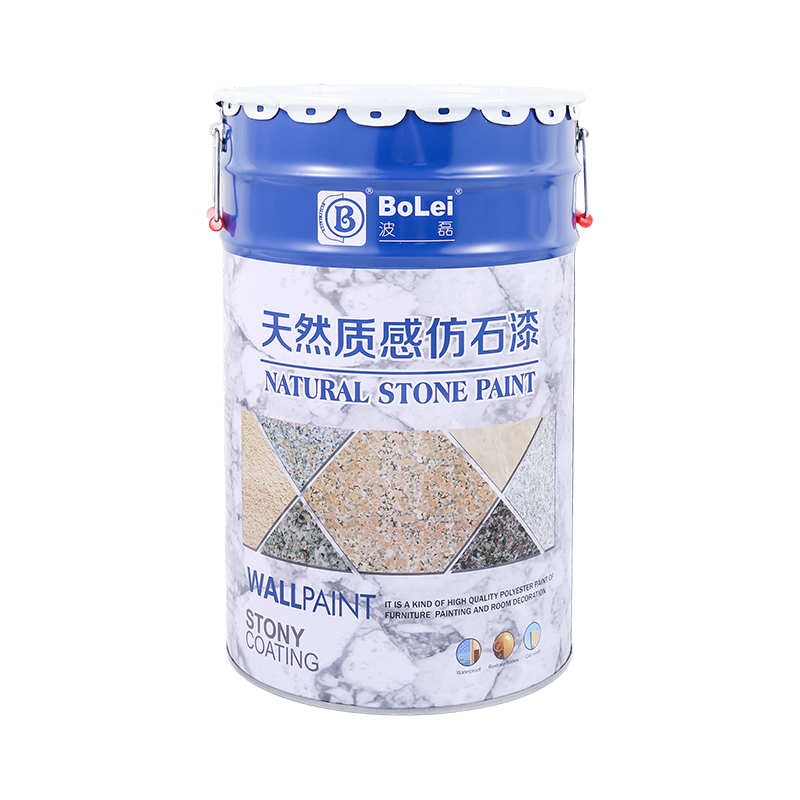
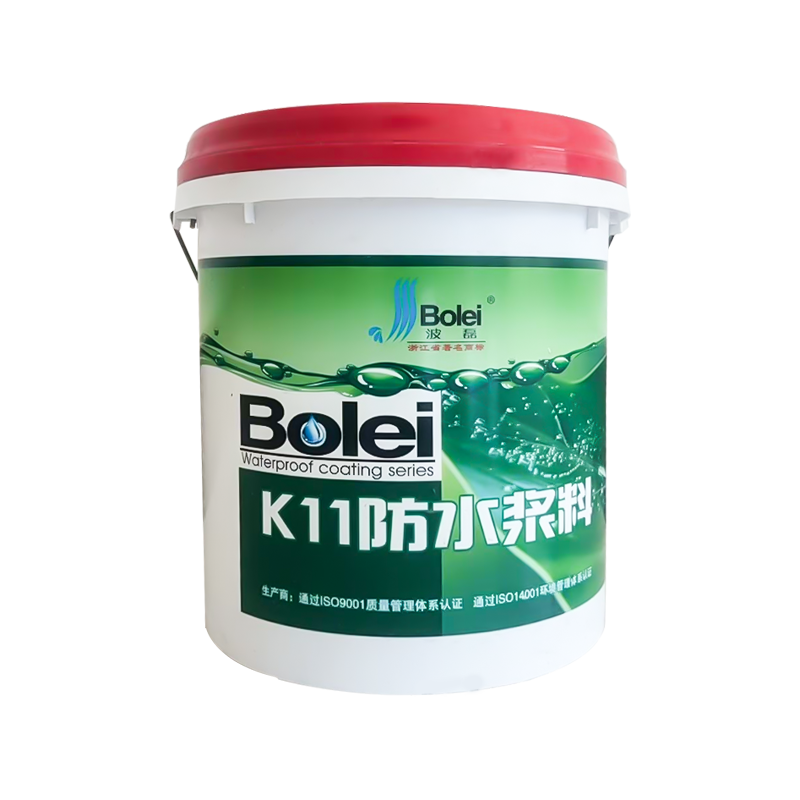
Every coated section produced on our line is tracked from blast profile through final dry film thickness reading, with salt-spray sample data kept on file per batch. Surface preparation grade, primer chemistry, topcoat color and total film build can all be set against your project's exposure category rather than a generic default.
Surface Prep Sa 2.5 Blast Standard
Film Build Per Exposure Class
Testing DFT · Adhesion · Salt-Spray

 ENG
ENG
QUICK LINKS
CONTACT INFO
-
 +86-17681892007
-
 [email protected]
-
 No.495-497, Ngaqian Road, Ngaqian Town, Xiaoshan District, Hangzhou, China
QR CODE
Copyright © Zhejiang Bolei Coatings Co., Ltd.All Rights Reserved.
 Wholesale Industrial Steel Paint Manufacturers