


 English
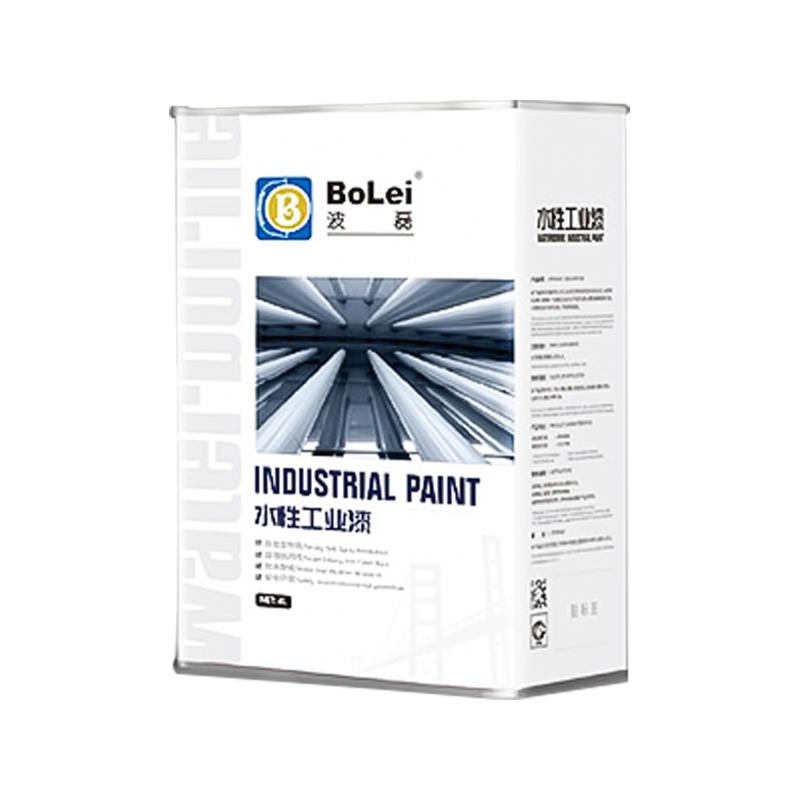
Founded in 1997, Zhejiang Bolei Coatings Co., Ltd. is a subsidiary of Bolei Industrial Group, with multiple subsidiaries engaged in coatings manufacturing, construction services, new material development, and international trade.
As a professional paint manufacturer based in China, we specialize in anti-corrosion coatings, fireproof coatings, emulsion paints, epoxy floor paints, and JS waterproof paints, widely applied in both industrial and construction sectors.
With advanced production facilities, a strict quality control system, and a stable raw material supply chain, we deliver high-quality and cost-competitive coating products and engineering solutions to our clients worldwide.

Anti-Corrosion Paint For Steel Structures
Anti-Corrosion Paint For Steel Structures
Since 1997, we have specialized in high-performance steel structure anti-corrosion Coatings, providing durable, highly adhesive, and easy-to-apply solutions to protect steel structures in extreme environments.
Applications
Suitable for industrial steel structures, hardware components, wind turbine towers, storage tanks, and shipbuilding structures.
Services
We offer application guidance, technical support, sample testing, and customized formulations to ensure successful project completion.
Advantages
Extensive Experience:
Focused on anti-corrosion Coatings since 1997, with rich industry experience
Industry Leader:
Leading Coating manufacturer in Zhejiang, with our materials used in numerous landmark buildings
Advanced Technology:
Products meet international anti-corrosion standards, backed by advanced R&D
Durable & Reliable:
Outstanding durability, corrosion resistance, and adhesion for long-lasting protection
Customized Solutions:
Professional solutions customized for different environments and project requirements
About Us
Zhejiang Bolei Coatings Co., Ltd.
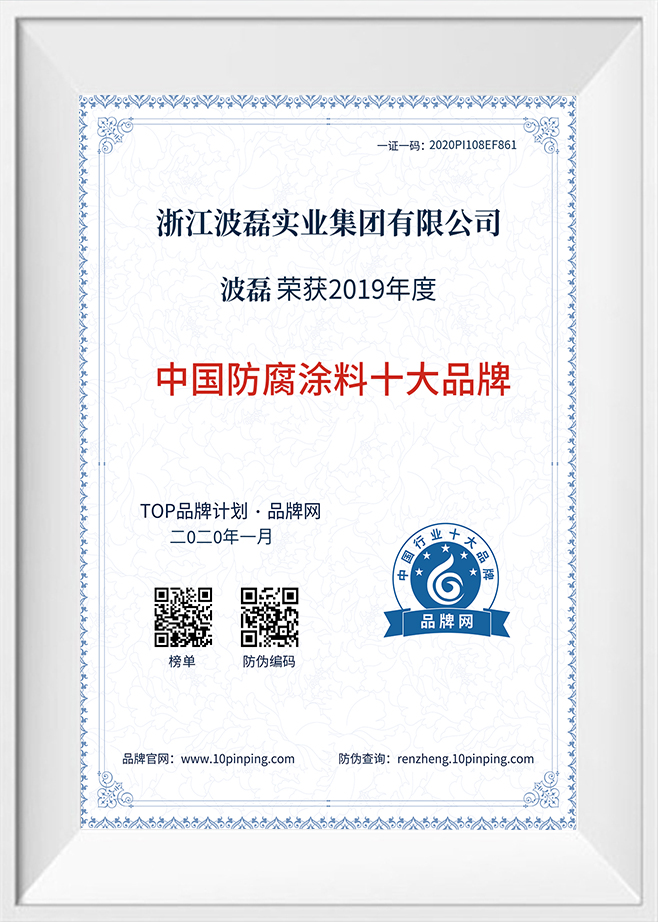
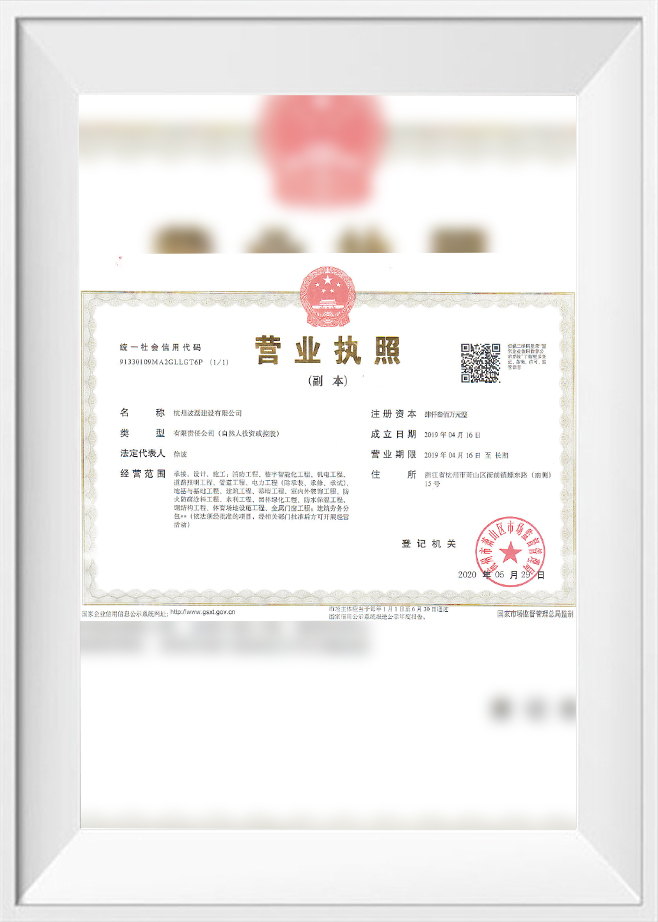
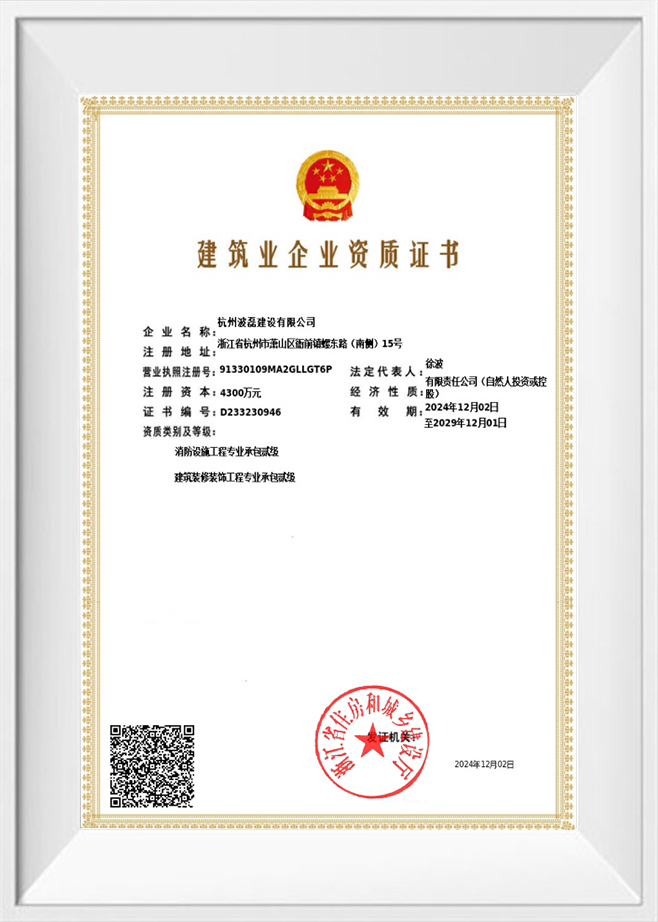
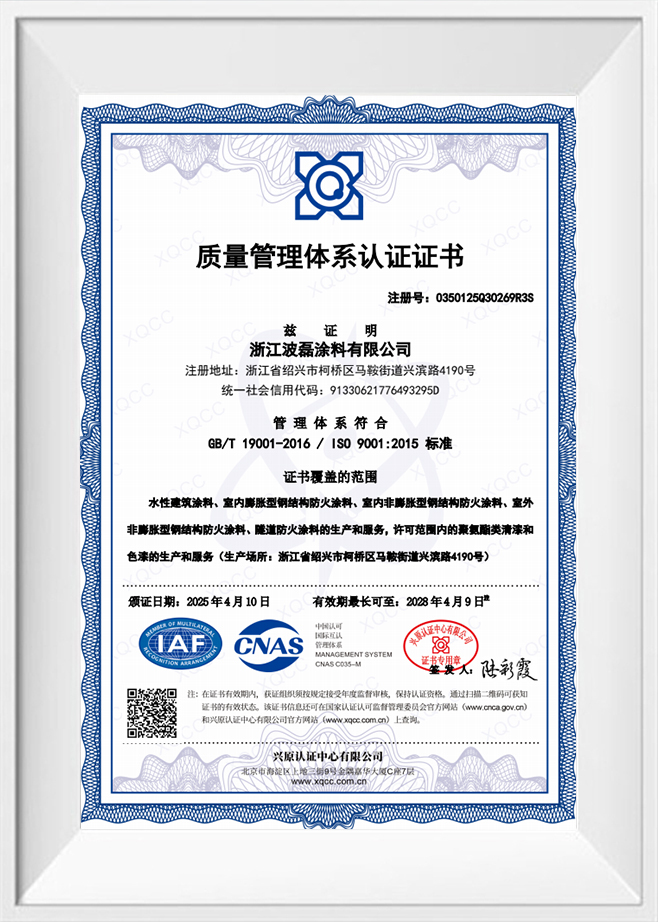
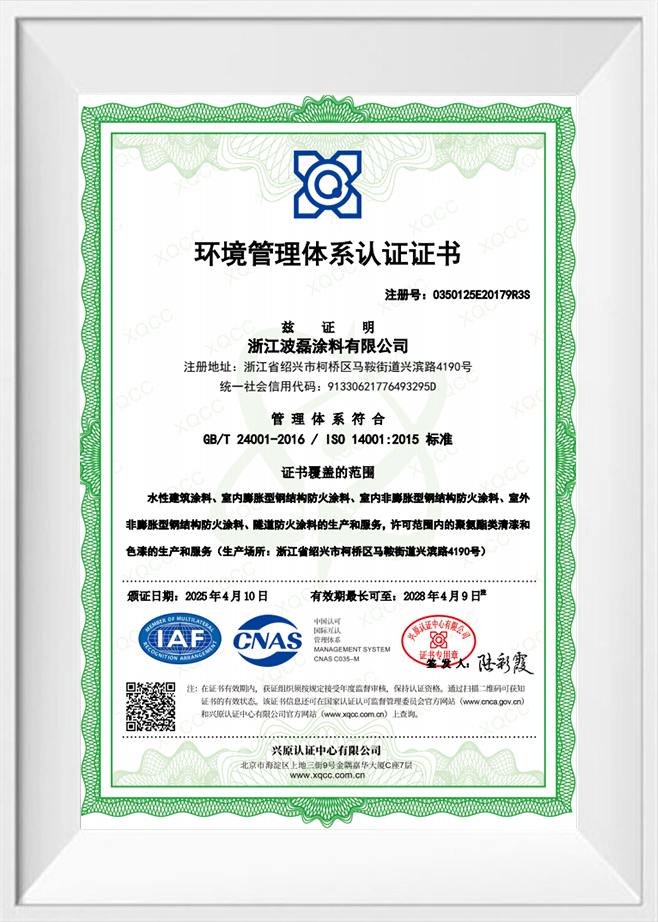
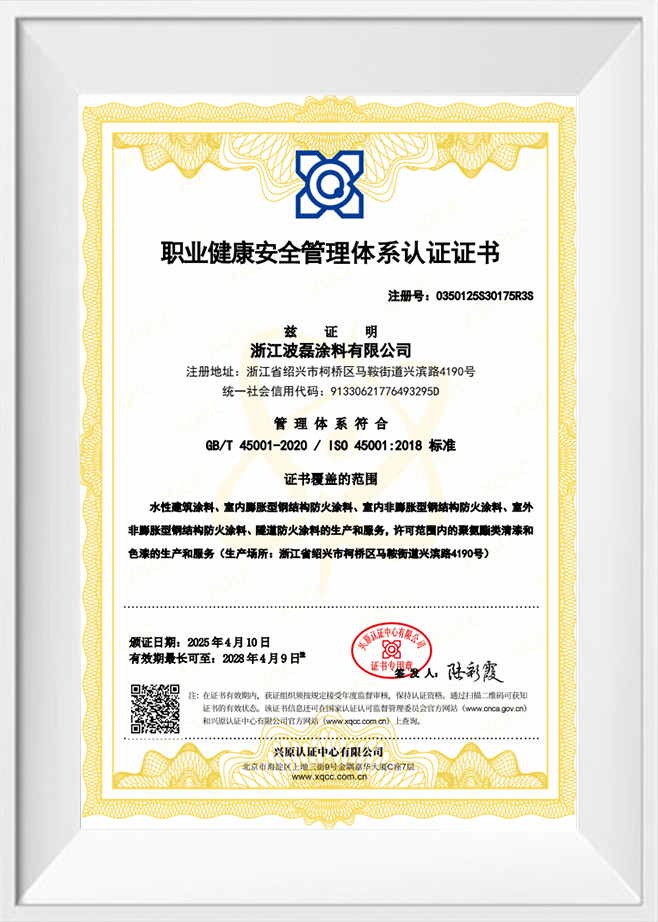
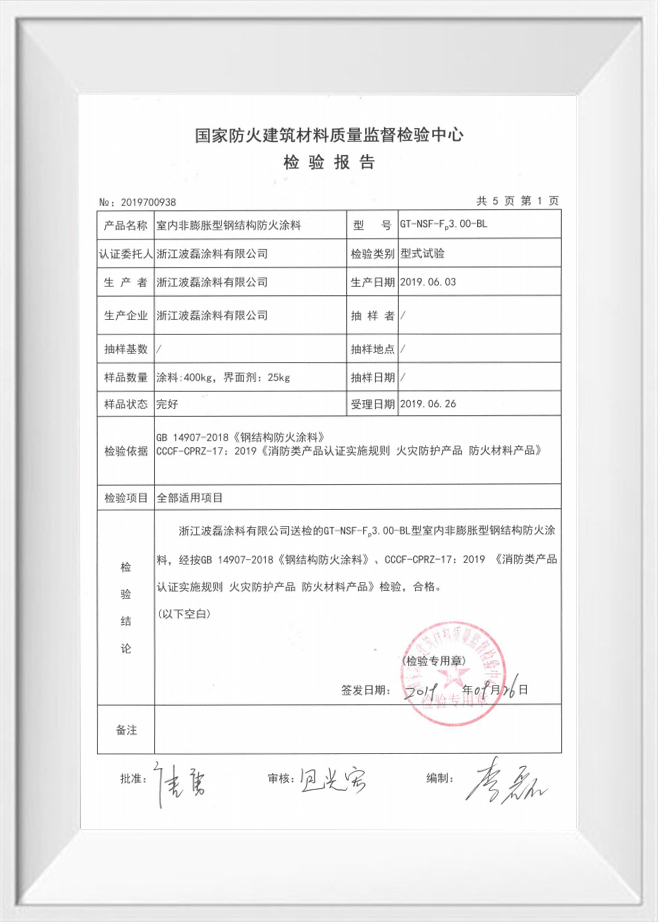
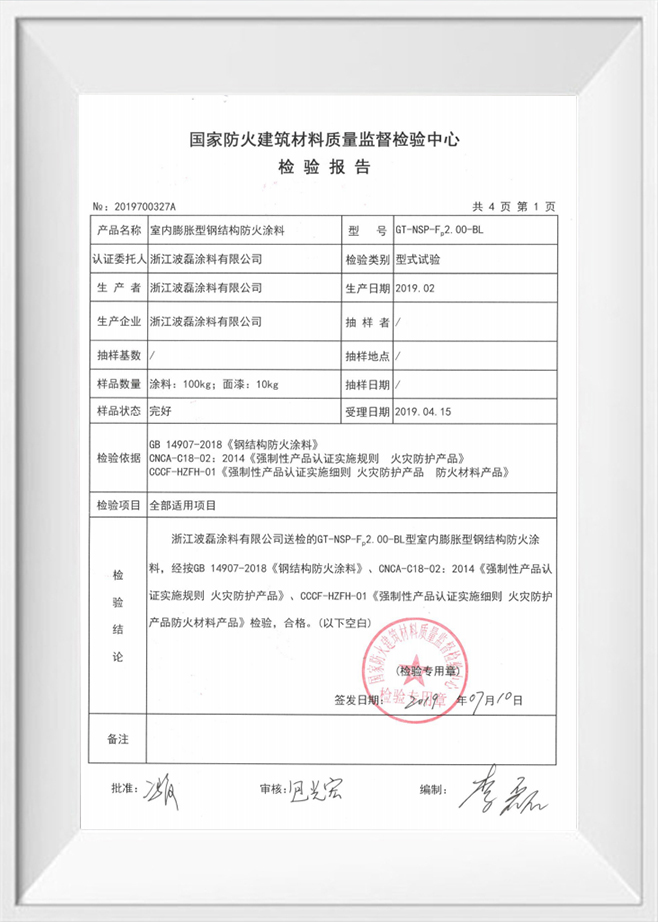
Certificate Of Honor
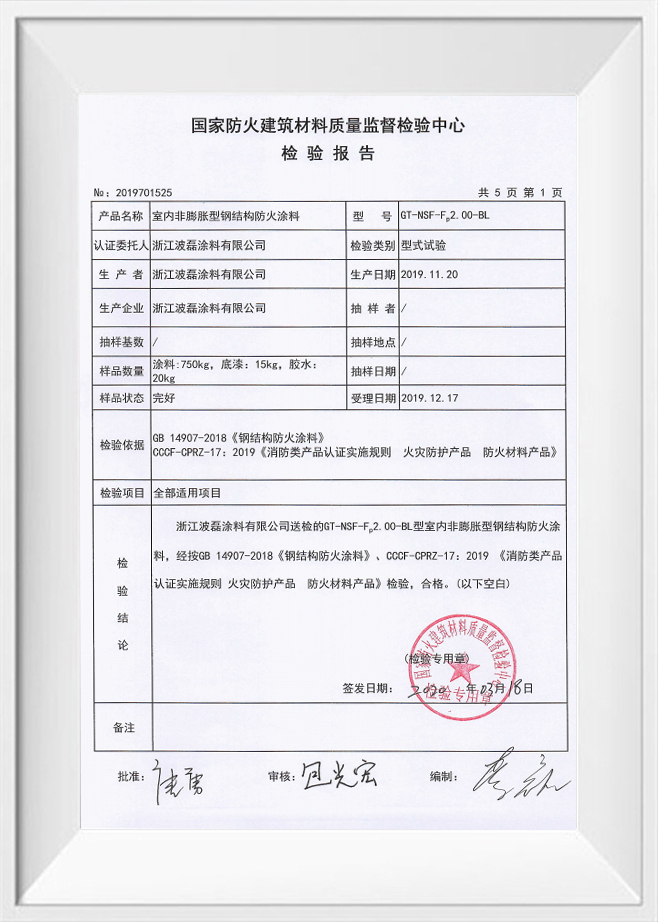
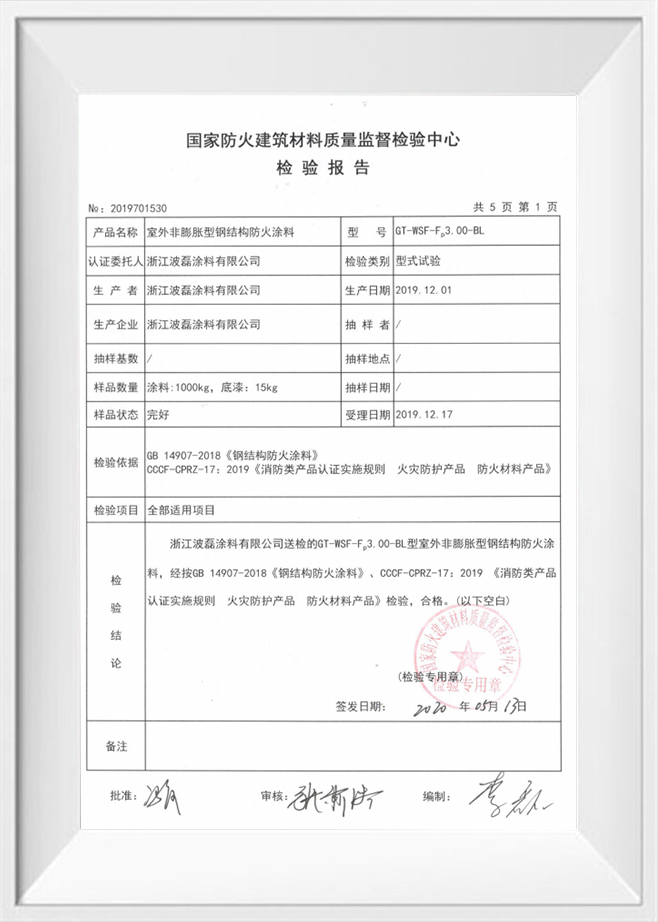
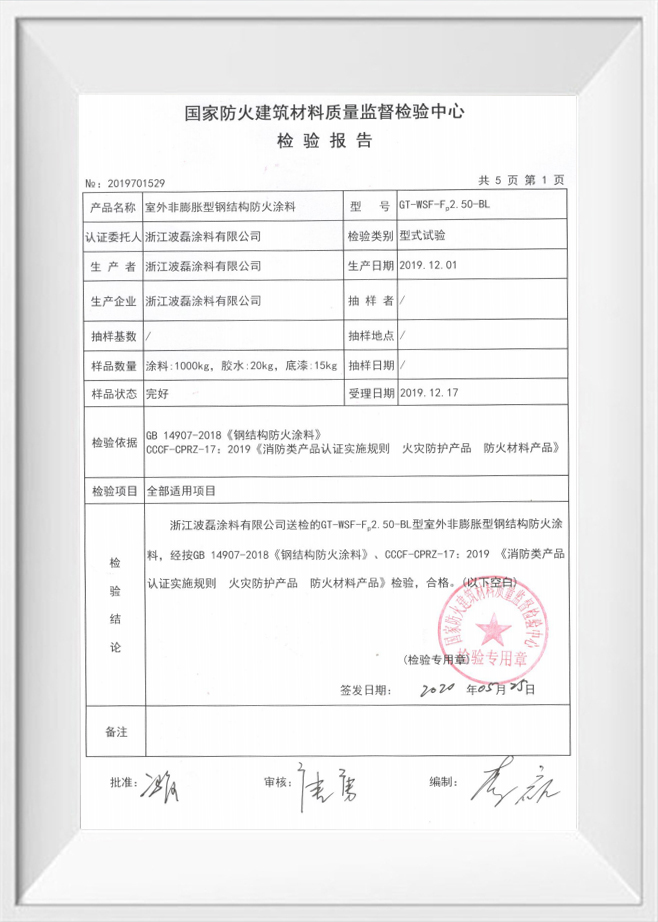
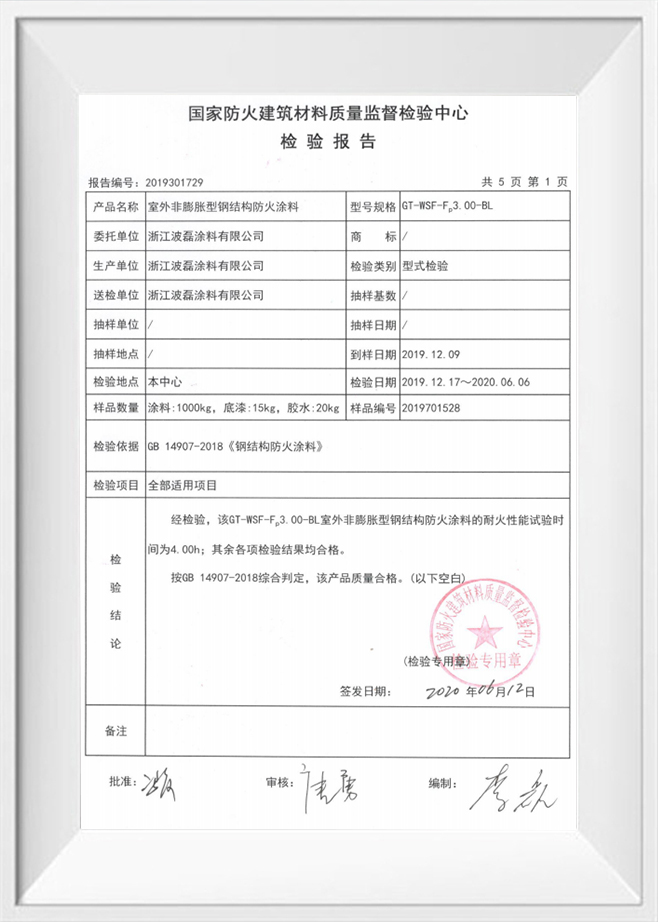
News
-
An Anti-Corrosive Primer is a specialized type of coating specifically formulated to protect metal surfaces from corrosion, rust, and other forms of degradation caused by exposure to moisture, oxygen,...
READ MORE -
Today, we have successfully developed an environmentally friendly and highly durable anti-corrosion paint for steel structures. This series of products integrates cutting-edge nanocomposite technology...
READ MORE -
In recent years, with the upgrading of consumption and the deepening of the country's "dual carbon" strategy, China's latex paint industry is undergoing a profound paradigm shift. The focus of industr...
READ MORE -
With the in-depth advancement of the national "dual carbon" strategy and the continuous improvement of building quality requirements, the polymer cement (JS) waterproof coating industry, which is a co...
READ MORE -
Today, Zhejiang Bolei Industrial Group Co., LTD., which enjoys a high reputation in the field of building safety and protection, grandly announced the launch of its newly developed high-performance fi...
READ MORE
Message Feedback
Anti-Corrosion Paint For Steel Structures Industry knowledge
Anti-Corrosion Paint For Steel Structures Technical Guide
Basic Definition and Classification of Anti-Corrosion Paint For Steel Structures
In modern industrial and construction engineering, Anti-Corrosion Paint For Steel Structures serves as the core barrier protecting metal components from environmental erosion. As a professional coatings manufacturer, Zhejiang Bolei Coatings Co., Ltd. is dedicated to developing high-performance anti-corrosion solutions. Our products utilize advanced chemical formulations to block contact between moisture, oxygen, and corrosive chemicals with the steel surface, significantly extending the service life of structures. From a technical perspective, Anti-Corrosion Paint For Steel Structures is not merely a covering; it is a sophisticated material system that operates through a triple mechanism of physical shielding, chemical inhibition, and electrochemical protection.
Classification by Core Chemical Composition
Based on different film-forming substances, Anti-Corrosion Paint For Steel Structures is categorized into four major types, each subject to strict quality control within the production system of Zhejiang Bolei Coatings Co., Ltd.:
- Epoxy Anti-Corrosion Coatings: Renowned for extreme adhesion and excellent chemical resistance, these are commonly used as primers or intermediate coats. Their high cross-linking density effectively resists acid and alkali erosion.
- Polyurethane Anti-Corrosion Coatings: Featuring superior weather resistance and gloss retention, this is the preferred topcoat for outdoor Anti-Corrosion Paint For Steel Structures systems, effectively resisting chalking caused by ultraviolet rays.
- Zinc-Rich Primers: These provide long-term cathodic protection for steel structures through the sacrificial anode effect of zinc powder, serving as an indispensable cornerstone in heavy-duty anti-corrosion fields.
- Acrylic Anti-Corrosion Coatings: Available in water-borne or solvent-based versions, these offer good drying speed and basic anti-corrosion performance, suitable for lightweight construction needs and providing excellent application convenience.
Anti-Corrosion Grades and Application Environment Parameter Comparison
To assist global clients in precise selection, Zhejiang Bolei Coatings Co., Ltd. defines the performance of Anti-Corrosion Paint For Steel Structures for various corrosive environments based on international standards (ISO 12944):
| Corrosion Category | Environment Description | Recommended Type of Anti-Corrosion Paint For Steel Structures | Typical Application Scenarios | Expected Durability |
| C1 (Very Low) | Inside heated buildings with clean atmospheres | Conventional Acrylic or Alkyd coatings | Office interiors, retail spaces | 20+ Years |
| C2 (Low) | Rural areas, low pollution atmospheres | Acrylic / Alkyd based | Warehouse interiors, light steel frames | 15+ Years |
| C3 (Medium) | Urban atmospheres, high humidity industrial areas | Epoxy Primer + Polyurethane Topcoat | Urban bridges, sports stadiums | 10-15 Years |
| C4 (High) | Industrial areas, coastal chemical zones | Zinc-rich Primer + Epoxy MIO Intermediate + Polyurethane | Chemical plants, port facilities | 10-20 Years |
| C5 (Very High) | Offshore, extreme humidity/salt spray | Enhanced Zinc-rich system | Offshore rigs, coastal cross-sea bridges | 15-25 Years |
Core Technical Index Reference
The Anti-Corrosion Paint For Steel Structures produced by Zhejiang Bolei Coatings Co., Ltd. must pass rigorous physical and chemical index tests before leaving the factory to ensure stable performance across various industrial sectors:
- Solid Content: Typically between 60% and 85%. High-solid products reduce Volatile Organic Compound (VOC) emissions and allow for higher thickness in a single spray application.
- Adhesion: Pull-off test results must exceed 5MPa, ensuring the paint film firmly grips the substrate and prevents peeling under extreme temperature fluctuations or mechanical stress.
- Salt Spray Resistance: Heavy-duty series products can withstand over 1,000 to 3,000 hours of continuous salt spray testing without corrosion, directly correlating to their service life in harsh environments.
Mechanism of Action of Anti-Corrosion Paint For Steel Structures
In complex industrial environments, the corrosion of steel structures is a spontaneous electrochemical process. The Anti-Corrosion Paint For Steel Structures developed by Zhejiang Bolei Coatings Co., Ltd. effectively slows down the oxidation rate of metal substrates through three core protective mechanisms.
Three Core Protective Principles
Shielding Effect: This is the fundamental function of Anti-Corrosion Paint For Steel Structures. By forming a dense, impermeable layer, it physically isolates external moisture, oxygen, and chloride ions. Zhejiang Bolei Coatings Co., Ltd. utilizes high-molecular cross-linking technology combined with flake pigments (such as Micaceous Iron Oxide), which forces corrosive media to follow a tortuous path to reach the substrate.
Chemical Inhibitive Effect: Specific anti-rust pigments (such as zinc phosphate) are added to the primer formulation. These pigments dissolve slightly in the presence of moisture, releasing inhibitive ions that form a passivation film on the steel surface. This layer inhibits anodic reactions, preventing the spread of rust even if the Anti-Corrosion Paint For Steel Structures coating suffers minor scratches.
Galvanic Protection (Cathodic Protection): This is the heart of heavy-duty systems. Using the Zinc-rich series of Anti-Corrosion Paint For Steel Structures from Zhejiang Bolei Coatings Co., Ltd. as an example, since zinc has a lower potential than iron, the zinc acts as an anode and corrodes first (sacrificial anode), protecting the steel cathode from damage.
Parameter Comparison Under Different Protective Mechanisms
To help clients understand the focus of different products, Zhejiang Bolei Coatings Co., Ltd. provides a comparison of key physical properties:
| Comparison Item | Barrier Coatings (e.g., MIO) | Inhibitive Coatings (e.g., Zinc Phosphate) | Cathodic Protection (e.g., Zinc-Rich) |
| Primary Method | Physical isolation | Chemical passivation | Sacrificial anode |
| Film Density | Very High (flake pigments) | High | Medium (to maintain conductivity) |
| Recommended Thickness | 80 - 125 microns | 40 - 60 microns | 40 - 75 microns |
| Water Permeability | Excellent | Good | Average |
| Scratch Resistance | Average | Excellent | Extremely Strong |
Performance Stability Advantages
As a specialist manufacturer, Zhejiang Bolei Coatings Co., Ltd. ensures that Anti-Corrosion Paint For Steel Structures reaches the optimal balance of these mechanisms. We monitor coating density through micron-level pigment ratios and ensure that the zinc content in our zinc-rich products strictly complies with ISO standards. We also focus heavily on compatibility, ensuring excellent inter-coat adhesion so the entire system works as a unified shield.
Typical Coating System Solutions
For steel structures in different locations and industrial uses, Zhejiang Bolei Coatings Co., Ltd. has established standardized systems. A complete Anti-Corrosion Paint For Steel Structures system usually consists of a primer, an intermediate coat, and a topcoat.
Functional Division of Coating Layers
Primer Layer: The first step in applying Anti-Corrosion Paint For Steel Structures. Our primers focus on extreme adhesion and chemical rust prevention, anchoring directly into the microscopic surface of the steel. It ensures the subsequent layers have a stable foundation.
Intermediate Layer: Usually an Epoxy MIO (Micaceous Iron Oxide) paint, used to increase the Total Dry Film Thickness (DFT). Its flake pigments align parallel to the substrate, greatly extending the penetration path for corrosive agents and reducing permeability.
Topcoat Layer: Facing the atmosphere, UV rays, and chemical splashes directly, Zhejiang Bolei Coatings Co., Ltd. provides polyurethane or fluorocarbon topcoats to give the Anti-Corrosion Paint For Steel Structures excellent weatherability, color retention, and aesthetics.
Typical System Parameters for Different Environments
| Environment Grade | Coating Structure | Recommended Product Type | Single Layer (microns) | Total DFT | Expected Life |
| Low (C1-C2) | Primer + Topcoat | Alkyd or Epoxy system | 40 + 40 | 80 microns | 7 - 10 Years |
| Medium (C3) | Primer + Inter + Top | Epoxy Zinc Phos + MIO + PU | 60 + 100 + 40 | 200 microns | 15+ Years |
| High (C4-C5) | Primer + Inter + Top | Epoxy Zinc-Rich + MIO + PU | 70 + 150 + 60 | 280 microns | 20+ Years |
| Offshore (CX) | Primer + Inter + Top | High-Solid Zinc + Epoxy + Fluorocarbon | 80 + 200 + 60 | 340 microns | 25+ Years |
Application Process and Flow Control
Excellent results depend on rigorous application. Zhejiang Bolei Coatings Co., Ltd. emphasizes that while the material is vital, the application process accounts for 70% of the final performance of Anti-Corrosion Paint For Steel Structures.
Surface Preparation Standards
Abrasive Blasting: Should reach Sa 2.5 grade (Near-White Metal). The surface must be free of visible oil, dirt, mill scale, and rust. This is the most critical step for Anti-Corrosion Paint For Steel Structures adhesion.
Roughness Control: A profile of Ry 40-75 microns is typically required to increase the mechanical interlocking of the coating. Too smooth a surface leads to peeling; too rough leads to "peak" rusting where the primer is too thin at the high points.
Environmental Parameter Control
| Factor | Recommended Range | Impact on Anti-Corrosion Paint For Steel Structures |
| Air Temperature | 5 to 35 Celsius | Low temp slows curing; high temp causes solvents to trap bubbles. |
| Steel Temp | Dew point + 3 Celsius | Prevents invisible condensation which causes immediate peeling. |
| Rel. Humidity | Less than 85% | High humidity hinders solvent evaporation and film formation. |
Application Method Comparison
| Method | Application Scenario | Features |
| Airless Spray | Large flat areas, beams | High efficiency, uniform for high-viscosity Anti-Corrosion Paint. |
| Air Spray | Complex fine components | Good atomization and finish, but higher overspray waste. |
| Brush / Roller | Weld seams, touch-ups | Excellent penetration into gaps, recommended for "stripe coats". |
Quality Inspection and Performance Indicators
Zhejiang Bolei Coatings Co., Ltd. utilizes a full-process inspection system to ensure every square meter of Anti-Corrosion Paint For Steel Structures meets international requirements.
Key Inspection Items
DFT Measurement: We suggest the "80-20 rule" where 80% of measurements must reach the design thickness. No single spot should be less than 80% of the specified thickness for Anti-Corrosion Paint For Steel Structures.
Adhesion Test: Using pull-off methods (ASTM D4541) to evaluate the bond between the Anti-Corrosion Paint For Steel Structures and the substrate. Values should exceed 5 MPa for heavy-duty systems.
Holiday Detection: Using high-voltage spark testers to check for pinholes in coatings intended for extreme environments, ensuring a continuous protective film.
Performance Parameter Comparison Table
| Test Item | Standard Requirement | General Industrial Grade | Heavy-Duty Enhanced Grade |
| Adhesion (Pull-off) | 3 MPa minimum | 5 - 7 MPa | 10 - 15 MPa |
| Salt Spray | No blisters/rust | 720 Hours | 1500 - 3000+ Hours |
| Pencil Hardness | H to 2H | H | 2H to 3H |
| Flexibility | 2 mm mandrel | 1 mm | 0.5 mm |
Maintenance and Repair Guide
Degradation Grades and Strategies
| Phenomenon | Severity | Repair Strategy | Handling Requirements |
| Minor Fading | Grade 1 | Clean and recoat topcoat | Maintain Anti-Corrosion Paint compatibility |
| Local Pitting | Grade 2 | Grind to metal and recoat | Overlap original paint by 50mm |
| Large Peeling | Grade 3 | Full blasting and recoating | Must reach original design standards |
Preventive Maintenance
Zhejiang Bolei Coatings Co., Ltd., as a subsidiary of Bolei Industrial Group, recommends that owners establish inspection files every 1-3 years for weld seams and bolts, which are the most susceptible to early failure of Anti-Corrosion Paint For Steel Structures. Early detection of minor rust spots can save 90% of long-term maintenance costs.
Frequently Asked Questions (FAQ)
Why is surface preparation the priority for Anti-Corrosion Paint For Steel Structures?
Surface preparation is the foundation. Even the best Zinc-rich primer from Zhejiang Bolei Coatings Co., Ltd. will fail if applied over mill scale or rust, as the chemical and mechanical bond will never form, leading to premature delamination.
Solvent-based vs. Water-borne Anti-Corrosion Paint Comparison
| Indicator | Solvent-based | Water-borne |
| VOC Emission | High (400-500 g/L) | Very Low (under 100 g/L) |
| Drying Speed | Fast (1-2 hours) | Humidity dependent (2-4 hours) |
| Max Thickness | Very High (200 microns+) | Lower (50-80 microns) |
| Initial Water Resistance | Excellent | Requires full cure |
Why is zinc content critical in Zinc-Rich primers?
Zinc content determines the duration of cathodic protection. Zhejiang Bolei Coatings Co., Ltd. ensures that our zinc-rich Anti-Corrosion Paint For Steel Structures maintains high concentrations of metallic zinc. If the content is too low, the zinc particles are not electrically connected, and the sacrificial protection ceases to function.
Is a thicker DFT always better for Anti-Corrosion Paint For Steel Structures?
No. Excessive thickness increases internal stress within the film, leading to "mud-cracking" or spontaneous peeling. Zhejiang Bolei Coatings Co., Ltd. sets DFT parameters based on fatigue testing to find the optimal balance for long-term durability and structural integrity.

 ENG
ENG
 English
QUICK LINKS
CONTACT INFO
-
 +86-17681892007
-
 [email protected]
-
 No.495-497, Ngaqian Road, Ngaqian Town, Xiaoshan District, Hangzhou, China
QR CODE
Copyright © Zhejiang Bolei Coatings Co., Ltd.All Rights Reserved.
