


 English
 中文简体
中文简体
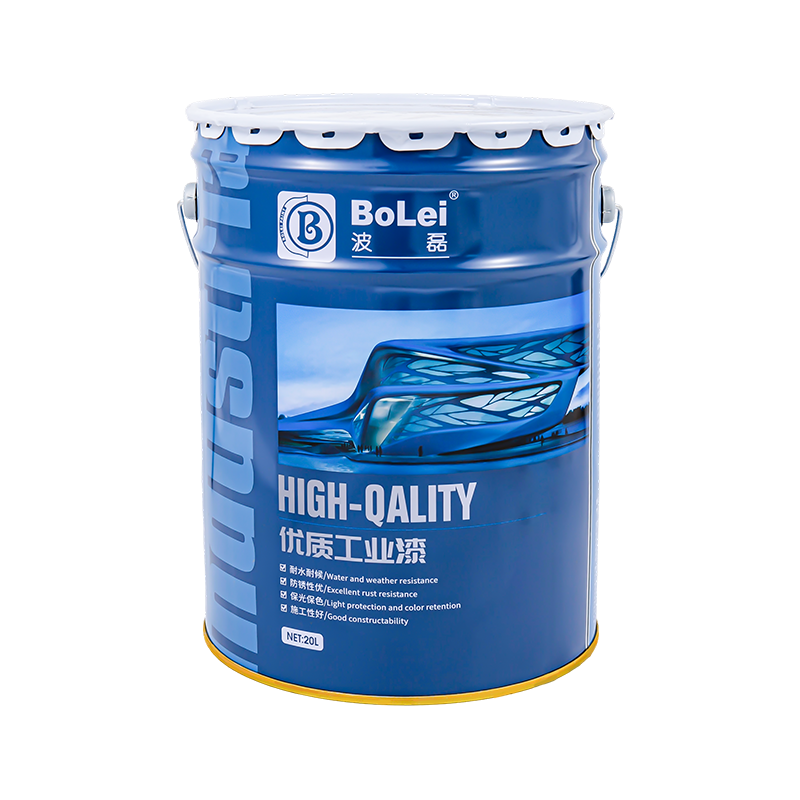
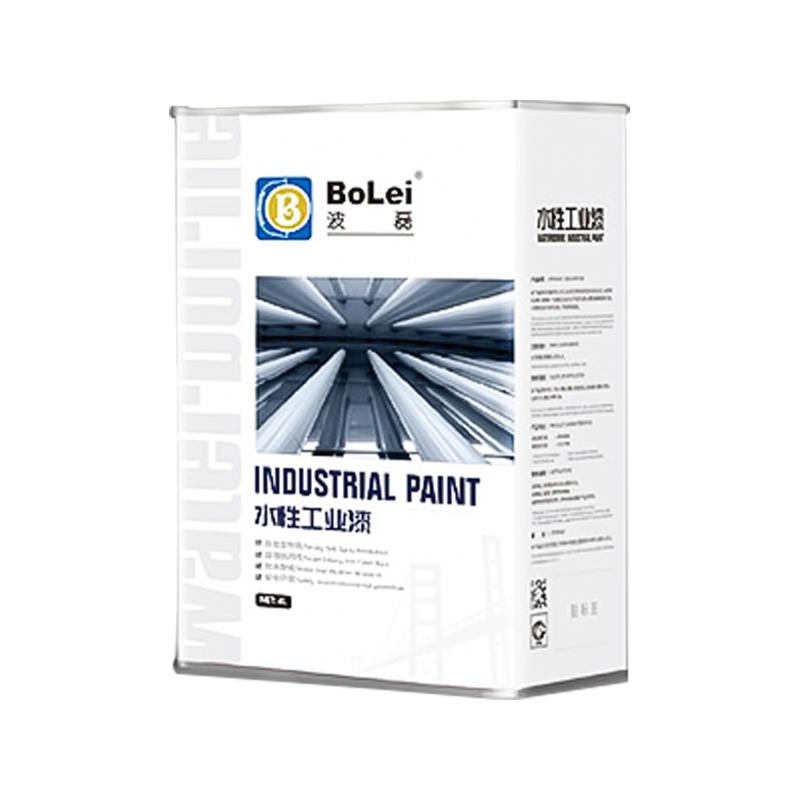
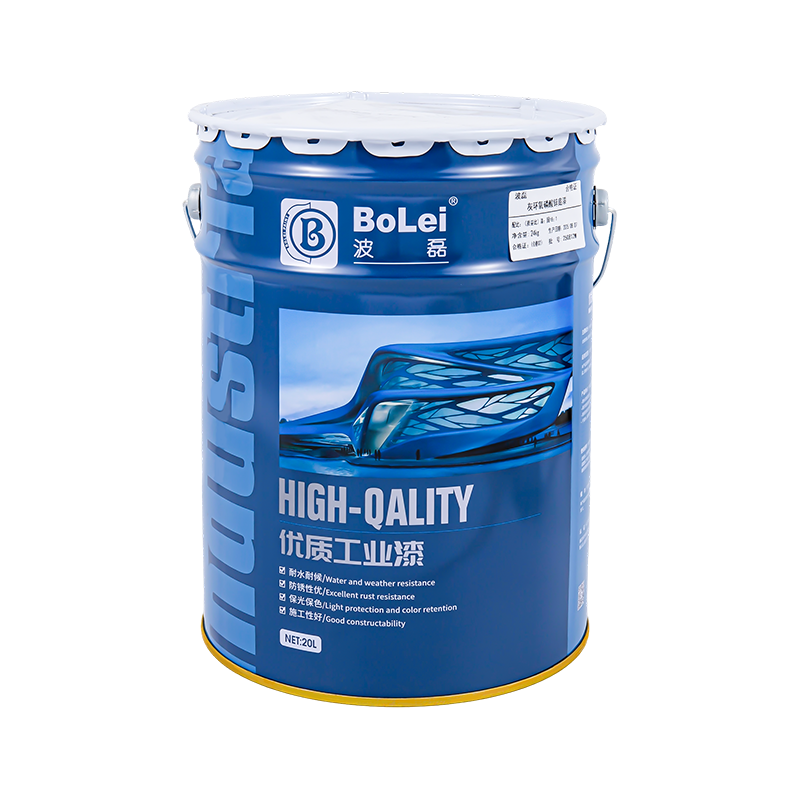
Founded in 1997,
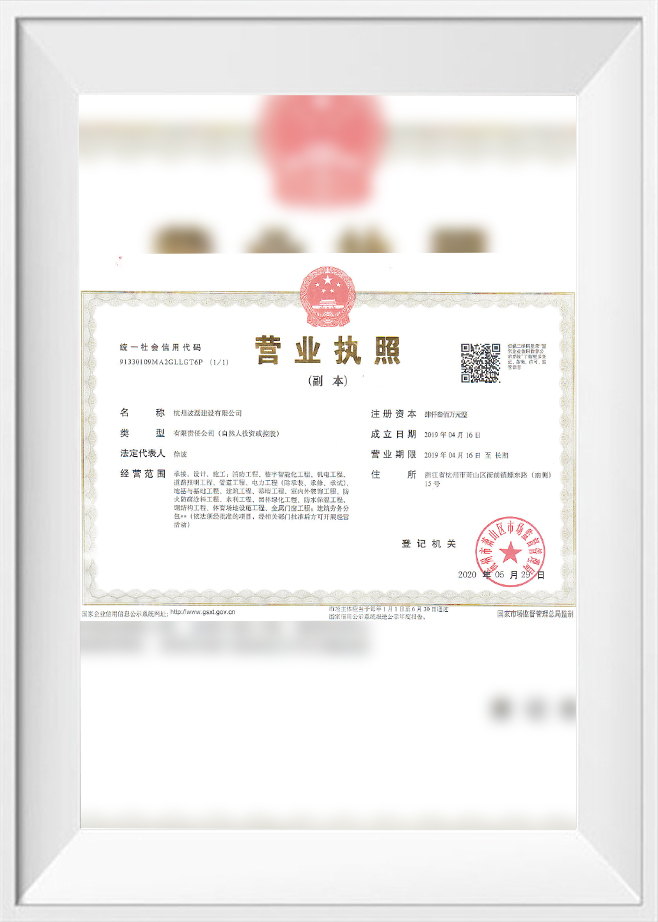
Zhejiang Bolei Coatings Co., Ltd. is a subsidiary of Bolei Industrial Group, with multiple subsidiaries engaged in coatings manufacturing, construction services, new material development, and international trade.
As professional China Epoxy Zinc Phosphate Primer Manufacturers and Custom Epoxy Zinc Phosphate Primer Suppliers, we specialize in anti-corrosion coatings, fireproof coatings, emulsion paints, epoxy floor paints, and JS waterproof paints, widely applied in both industrial and construction sectors.
With advanced production facilities, a strict quality control system, and a stable raw material supply chain, we deliver high-quality and cost-competitive coating products and engineering solutions to our clients worldwide.
Basic Features
Wide film-forming range;
Excellent corrosion protection;
Quick-drying properties allow for quick overcoating.
Volatile organic matter content meets international standards.
Dry temperature resistance up to 1400°C.
Recommended Applications
As a primer for supporting Coatings, it is suitable for steel structures in the offshore oil and gas, marine steel structures, bridges, wind power, petroleum, chemical, and construction industries. It can also be used as a Topcoat for special applications.
Surface Preparation
All surfaces to be painted must be clean, dry, and free of oil and other contaminants. Surfaces must be assessed and prepared in accordance with the international standard ISO 8504.
Cleanliness Level: Sandblasted to Sa 2 1/2 (ISO 8501-1:2007). Roughness: Use an appropriate abrasive (steel shot/angular sand) to a surface roughness of 40-85 microns. Application Conditions
The substrate temperature must not fall below 5°C and must be at least 3°C above the air dew point. Temperature and relative humidity should be measured near the substrate. Good ventilation is generally required in confined areas to ensure proper drying.
When applying the final Paint, the paint surface should be dry and free of contamination.
Product Compatibility
Primer: Epoxy zinc phosphate primer
Subsequent Coatings: Epoxy high-build paint, epoxy micaceous iron paint, chlorinated rubber paint, vinyl chloride paint, polyurethane Topcoat, acrylic paint, polysiloxane Topcoat, fluorocarbon Topcoat, etc.
Storage
Must be stored in accordance with national regulations. The recommended storage temperature is 15-25°C. The storage environment should be dry and well-ventilated. The packaging container must be kept tightly closed.
Shelf Life: 12 months at room temperature.
Packaging
Component A: 24 kg (base), Component B (curing agent): 4 kg.
| Technical Specifications | |
| Color | Gray, Red |
| Volume Solids (%) | 65 ± 2% |
| Specific Gravity | 1.4 kg/L |
| Flash Point | 35°C ± 2 (Closed Cup) |
| Gloss | Flat |
| Volatile Organic Compounds | 340 g/L |
| Recommended Dry Film Thickness | 50-150 μm |
| Flexibility | Good |
| Water Resistance | Good |
| Abrasion Resistance | Excellent |
| Solvent Resistance | Good |
| Film thickness and coating rate | |||
| Description | Minimum | Maximum | Typical |
| Dry Film Thickness (μm) | 50 | 150 | 100 |
| Wet Film Thickness (μm) | 75 | 230 | 155 |
| Theoretical Spreading Rate (m²/kg) | 9.2 | 3.0 | 4.6 |
| Construction Parameters |
|
| Application Method | Spray: Airless spray or conventional spray |
| Brush: Recommended for repair | |
| Mixing Ratio (by weight) | Component A: Component B = 6: 1 |
| Pot Life at 23°C | 6 hours (decreases as temperature rises) |
| Thinner/Cleaner | Special thinner |
| Guidelines for Airless Spray | |
| Nozzle Pressure | 15 MPa |
| Nozzle Orifice | 0.38-0.69 mm |
| Thinner Addition | Special thinner, generally 0-5% of total paint volume |
| Guidelines for Conventional Spray | |
| Nozzle Pressure | 0.3-0.6 MPa |
| Nozzle Orifice | 1.8-2.2 mm |
| Thinner Addition | Special thinner, generally 5-15% of total paint volume |
| Brush and Roller Application | |
| Thinner Addition | Special thinner, generally 5-15% of total paint volume |
| Drying Characteristics | |||||
| Substrate Temperature | 5°C | 10°C | 23°C | 40°C | 40°C |
| Touch Dry | 8 hours | 6 hours | 3 hours | 0.5 hours | 15 mins |
| Hard Dry | 18 hours | 12 hours | 5 hours | 2 hours | 4 hours |
| Full Cure | 15 days | 10 days | 7 days | 2 days | 1.5 hours |
| Minimum Recoat Time | 18 hours | 12 hours | 5 hours | 2 hours | - |


 ENG
ENG


